

EtherealX (Ethereal Exploration Guild)
Verified CompanyReturn, recover, and relaunch — building the world's first fully reusable medium-lift launch vehicle
A four-year-old Bengaluru startup trying to do the hardest thing in spaceflight: build a fully reusable medium-lift rocket. $20.5 million raised, two engines of its own design, and a demonstration flight targeted for late 2027.
About EtherealX (Ethereal Exploration Guild)
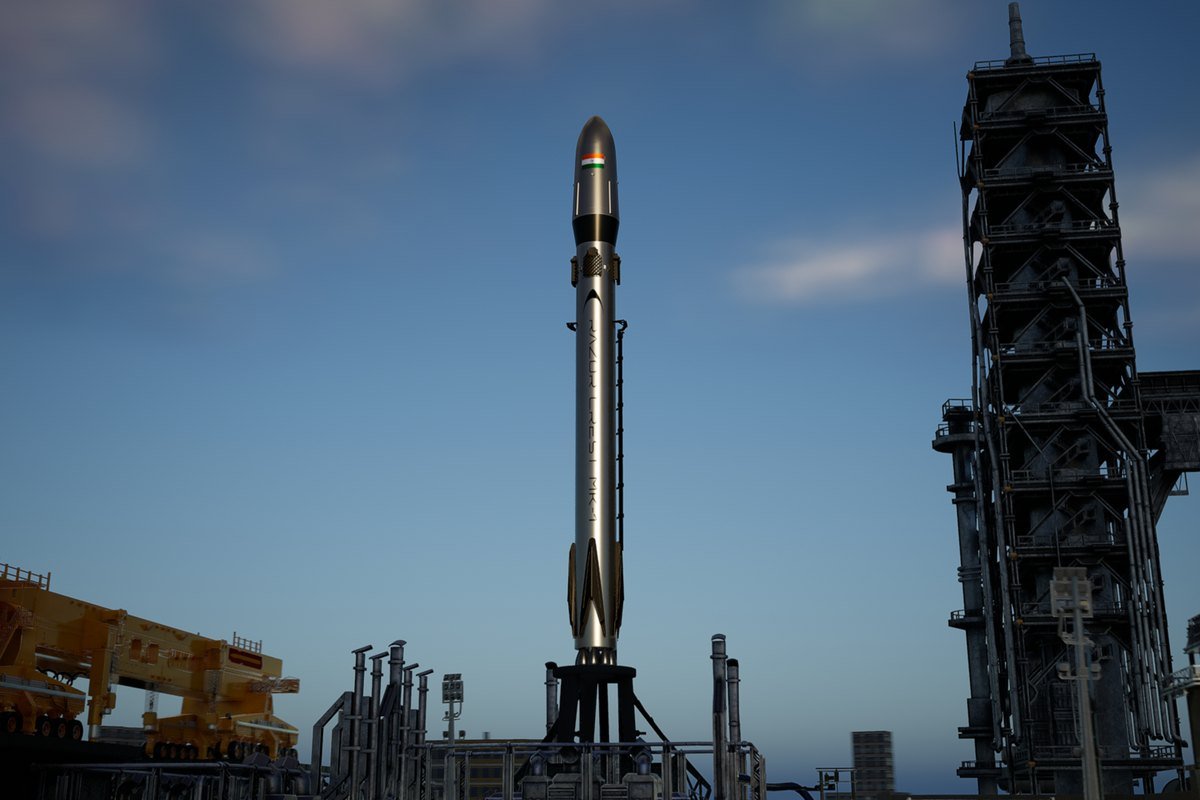
Reusability is the only thing that has ever made launch cheap, and almost nobody has managed it. EtherealX — legally Ethereal Exploration Guild, and branded on its own site simply as The Guild — is a Bengaluru company founded in 2022 that is trying to do it anyway, at medium-lift scale, from India. The founders are Manu J. Nair, who is co-founder and chief executive; Shubhayu Sardar, a former ISRO scientist who is chief operating officer; and Prashanth Sharma, an aerospace engineer who serves as chief technology officer. The vehicle is called Razor Crest Mk-1. It is designed as a fully reusable medium-lift launch vehicle, configurable in expendable, partially reusable and fully reusable variants depending on the mission. The company is building both of its engines in-house: Stallion, the booster engine, and Pegasus, for the upper stage. Razor Crest Mk-1 is designed around nine Stallion engines for liftoff thrust and fifteen Pegasus engines for in-space propulsion. The engineering argument the company makes is about cadence rather than raw capability. Because the whole vehicle is recovered, launch operations become a question of refurbishment and replacement rather than manufacturing lead time — the company targets a 72 to 96 hour turnaround, and says this removes the need for the kind of capital-intensive mass production facilities an expendable programme requires. The upper stage is designed for up to sixteen orbit insertions in a single flight, which would let one launch serve multiple customers and multiple payloads without third-party last-mile tugs. It is also being designed for point-to-point cargo delivery. The money has followed. EtherealX raised a $5 million seed round in 2024, and in 2026 closed a $20.5 million Series A at an $80.5 million valuation — a jump TechCrunch reported as roughly five and a half times its previous mark. The round was led by TDK Ventures and BIG Capital, with participation from Accel, Prosus, YourNest Venture Capital, BlueHill Capital, Campus Fund and Riceberg Ventures. Forbes carries a company profile; Entrepreneur India has profiled Nair. The roadmap is public and, by the standards of the industry, specific: engine hot-fire tests by the middle of 2026, a technology demonstration flight in late 2027, and commercial launches beginning at the end of 2028 at an initial cadence of five to six missions a year, scaling from there. None of that has flown yet. This is a company at the stage where the interesting question is whether the hardware works, and the honest summary is that the engines are being tested, the vehicle is being designed, and the first flight is still more than a year away. What is unusual is the ambition of the target — a fully reusable orbital vehicle is something only a handful of organisations on earth have attempted, and none of them from India. Sources: etherealx.space (company positioning, Razor Crest Mk-1 specifications, turnaround and orbit-insertion claims, and contact details, accessed August 2026); funding, valuation, founder and roadmap details as reported by TechCrunch, Inc42, BW Disrupt and Entrepreneur India. Images: EtherealX / Ethereal Exploration Guild, reproduced from the company's own website for identification.
Our Services
Razor Crest Mk-1 — Reusable Medium-Lift Launch
The company's core programme: a medium-lift orbital launch vehicle designed to be recovered and reflown in full. It is configurable in expendable, partially reusable and fully reusable variants, so a customer can trade payload mass against cost on a mission-by-mission basis.
Stallion — Booster Propulsion
The first-stage engine, developed in-house. Razor Crest Mk-1 is designed around nine Stallion engines providing liftoff thrust, with hot-fire testing targeted for the middle of 2026.
Pegasus — Upper-Stage Propulsion
The upper-stage engine, also designed in-house. Fifteen Pegasus engines handle in-space propulsion, and they are what make the vehicle's multi-orbit capability possible.
Multi-Orbit Rideshare — Up to 16 Insertions
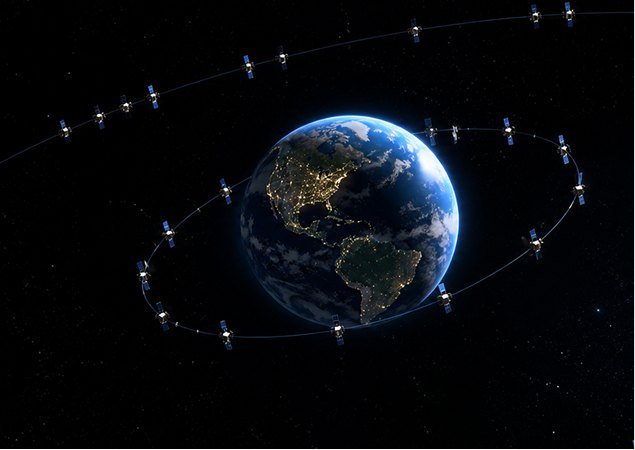
The upper stage is designed to perform up to sixteen separate orbit insertions in a single flight, letting one launch serve several customers in different orbits — and removing the dependence on third-party orbital transfer vehicles for last-mile delivery.
High-Cadence Launch Operations
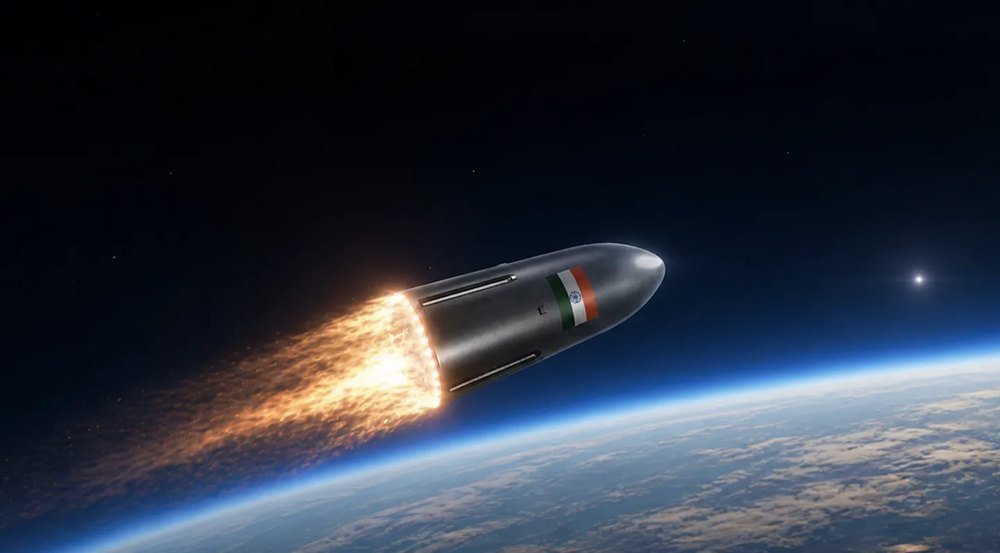
With full vehicle recovery, the company targets a 72 to 96 hour turnaround between flights, making launch a refurbishment problem rather than a manufacturing one. Commercial operations are planned from late 2028 at five to six missions a year, scaling from there.
Point-to-Point Cargo Delivery
Beyond orbital launch, the vehicle is being designed to carry cargo point-to-point through space — a long-horizon application of the same reusable architecture, and one of the reasons the company describes orbit as infrastructure rather than a destination.
Key Highlights
Our Portfolio
Razor Crest Mk-1

Stallion Engine

Pegasus Engine

Multi-Orbit Rideshare Missions
Our Clients
Certifications & Partnerships
Recent News & Announcements
EtherealX raises $20.5 million Series A at an $80.5 million valuation, led by TDK Ventures and BIG Capital with Accel and Prosus participating

TechCrunch reports the company's valuation rising roughly 5.5x as it readies engine tests for Razor Crest Mk-1
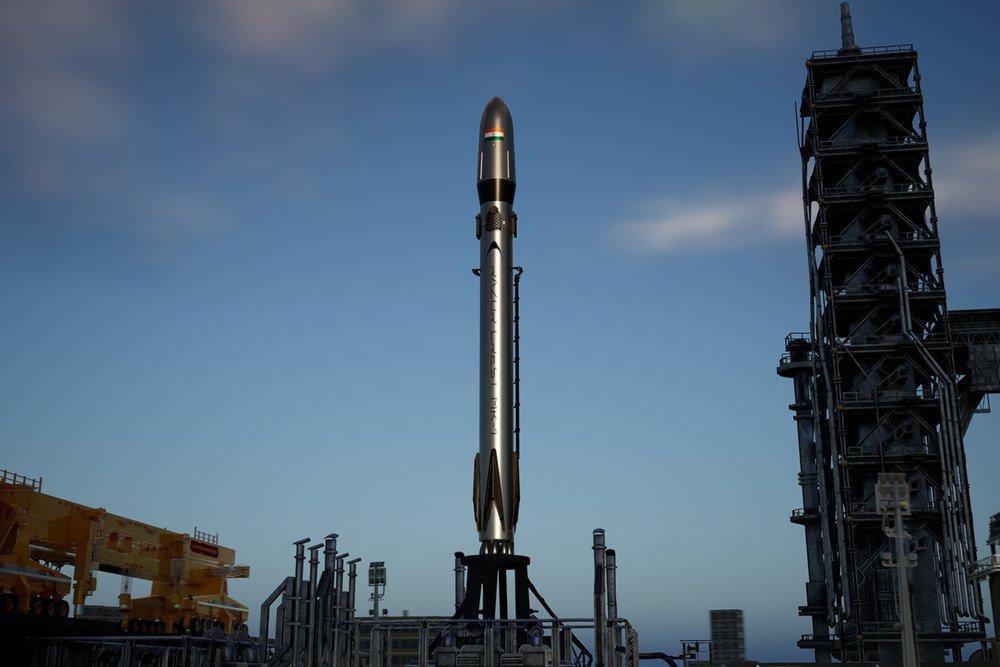
Roadmap set: engine hot-fire tests targeted for mid-2026, a technology demonstration flight in late 2027 and commercial launches from end-2028


Latest Articles

Alana Evans Net Worth in 2026 – Income Sources, Career & Earnings

Amy Lee Net Worth 2026: Income Sources, Evanescence Career & Personal Life

Abz Love Net Worth 2026: Five Star’s Career, TV Comeback & Income Breakdown