

Hindustan Aeronautics Limited (HAL)
Verified CompanyDesigning, building and sustaining India's military aviation since 1940
Founded in 1940 to assemble aeroplanes under licence, HAL now designs India's fighter jets and helicopters — Tejas, Dhruv, Prachand — from 21 manufacturing divisions and 11 R&D centres, with an order book of roughly ₹2.54 lakh crore.
About Hindustan Aeronautics Limited (HAL)
In 1940, a Mumbai industrialist named Walchand Hirachand decided that India should build its own aeroplanes. Hindustan Aircraft Limited was set up in Bengaluru that December, and by 1942 it was assembling Harlow PC-5 trainers, Curtiss P-36 Hawks and Vultee A-31 Vengeance dive bombers under licence for the Indian Air Force. In 1957 it began building Bristol Siddeley Orpheus jet engines under licence at a new Bengaluru factory. In 1964 it merged with the aircraft manufacturing depot at Kanpur and the group set up to build MiG-21s under licence — with new plants planned at Koraput, Nashik and Hyderabad — and became Hindustan Aeronautics Limited. For decades HAL was mostly a licensed producer, with the HF-24 Marut as the exception. What changed that was the 1980s, and two programmes that took an unreasonably long time and eventually worked: the Tejas light combat aircraft and the Dhruv advanced light helicopter. Both are now in frontline service. HAL also rebuilt the MiG-21 into the MiG-21 Bison, adding more than twenty years to the airframe's life. Today the company operates 21 manufacturing divisions and 11 dedicated research and development centres across four production units, and designs, builds and overhauls combat aircraft, helicopters, unmanned aircraft, jet and turbine engines, avionics and aerostructures. It is majority-owned by the Government of India, which holds 71%, and is listed on both Indian exchanges. Its board is appointed by the President through the Ministry of Defence. The helicopter line is where the indigenous work is most visible. The Dhruv is the base airframe; Rudra is the armed version; Prachand — the Light Combat Helicopter — is a purpose-built attack helicopter designed for high-altitude operations, which is a genuinely difficult engineering problem and one very few countries have solved. For the year to 31 March 2025 HAL reported revenue of ₹33,542 crore and a net profit of ₹8,364 crore, on total assets of ₹106,266 crore, with 24,457 employees as of March 2023. The order book reported for FY2026 stood at roughly ₹2.54 lakh crore — over seven years of revenue at current run-rates — including a ₹62,370 crore contract for 97 LCA Tejas Mk1A aircraft. That backlog is also the company's central problem: deliveries of the Mk1A have slipped repeatedly, largely on engine supply, and the first aircraft were still awaited well into 2026. HAL has been candid that execution, not order intake, is the constraint. Recent years have widened what the company does. In October 2024 the government granted it Maharatna status, the highest tier of operational and financial autonomy for a public sector undertaking. In June 2025 ISRO transferred the complete technology of the Small Satellite Launch Vehicle to HAL for ₹511 crore — the first time ISRO has handed an entire rocket to a single company — and HAL signed an agreement with Safran Aircraft Engines to manufacture rotating parts for the LEAP engine family. In 2025 it also invited private Indian firms into a joint venture for the Advanced Medium Combat Aircraft, proposing to hold 50% itself with four partners taking 12.5% each. Alongside the defence work, HAL has long held contracts with Airbus, Boeing and Honeywell for aircraft parts and engine components, and has planned logistics bases in Indonesia, Malaysia, Sri Lanka and Vietnam to support Soviet- and Russian-origin fleets across South-East Asia, West Asia and North Africa. It is one of the oldest aerospace manufacturers anywhere in the world, and it is eighty-six years old this December. Sources: English Wikipedia (company history, operations, FY2025 financials, Maharatna status, ISRO and Safran agreements, accessed August 2026); hal-india.co.in; FY2026 order-book and LCA Mk1A contract figures as reported in Indian financial press. Photos: Wikimedia Commons — Government Open Data License India and Creative Commons (CC BY / CC BY-SA); credits include the Ministry of Defence, HAL, Ashwin Kumar, Adambro, Mandeepsandhu, Ajai Shukla and vishak.
Our Services
Combat Aircraft — Design, Build and Upgrade
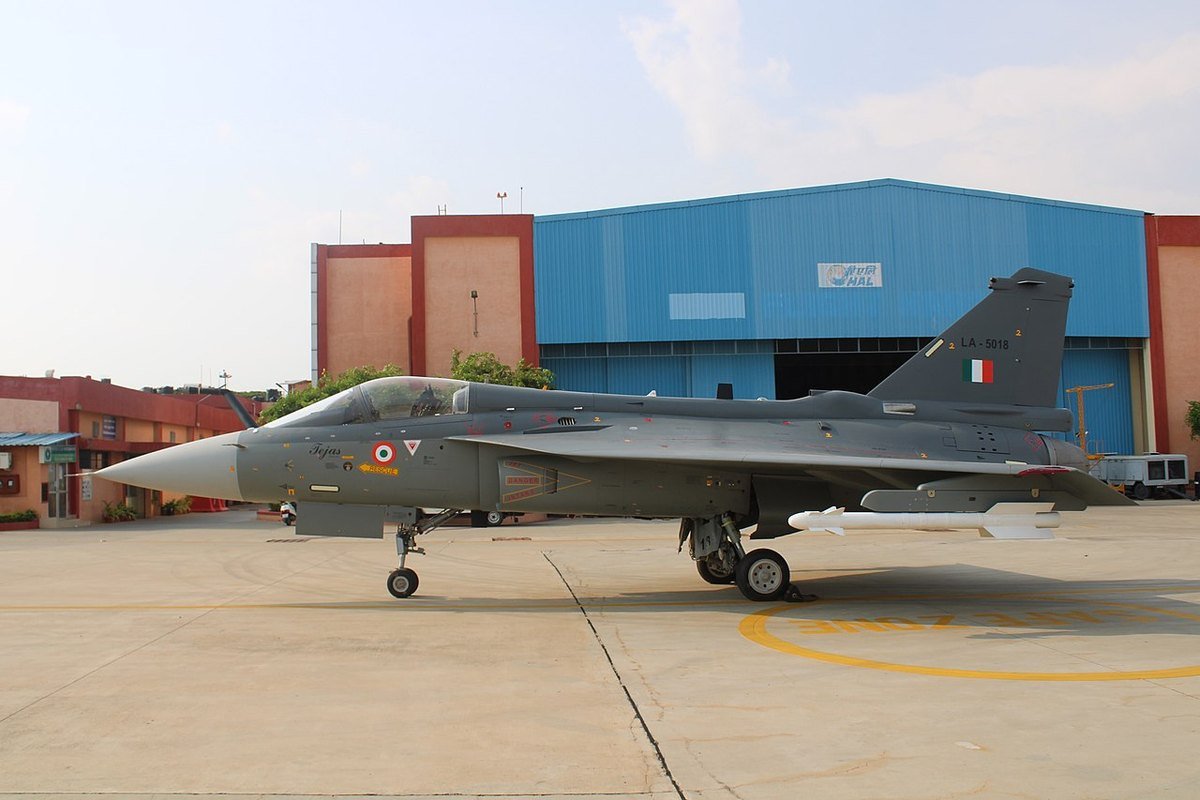
The Tejas light combat aircraft is HAL's flagship indigenous programme, with 97 Mk1A aircraft under a ₹62,370 crore contract. Alongside it, HAL manufactures and upgrades the Indian Air Force's Su-30MKI, Jaguar, Mirage and Hawk fleets — work that has kept much of the frontline fleet flying and, in the case of the MiG-21 Bison, extended an airframe's life by more than two decades.
Helicopters — Dhruv, Rudra, Prachand and LUH
The Advanced Light Helicopter Dhruv is the platform everything else grew from: Rudra is the weaponised version, and Prachand, the Light Combat Helicopter, is designed for attack missions at altitudes very few helicopters can operate at. The Light Utility Helicopter is under trials. HAL has publicly planned around a thousand military helicopters over a decade.
Aero Engines and the AERDC
HAL has built jet engines under licence since the Bristol Siddeley Orpheus in 1957, and today manufactures and overhauls the AL-31FP and RD-33 families that power the Su-30MKI and MiG-29. The Aero Engine Research and Development Centre in Bengaluru, whose new design and test facility opened in December 2023, develops and commercialises HAL's own engine line.
Repair, Overhaul and Lifecycle Support
A large share of HAL's revenue comes not from building aircraft but from keeping them serviceable — overhaul, upgrade and spares support across the Indian armed forces' fixed and rotary wing fleets, and for Soviet- and Russian-origin equipment operated by other countries.
Avionics, Accessories and Aerostructures
HAL designs and manufactures avionics, communication systems, accessories and structural assemblies, and is a long-standing supply-chain partner to Airbus, Boeing and Honeywell for aircraft parts and engine components. In June 2025 it agreed to manufacture rotating parts for Safran's LEAP engines.
Space — Small Satellite Launch Vehicle
In June 2025 ISRO transferred the complete technology of the Small Satellite Launch Vehicle to HAL for ₹511 crore — the first time the space agency has handed an entire launch vehicle to a single company — putting HAL into commercial small-satellite launch alongside its aviation work.
Key Highlights
Our Portfolio
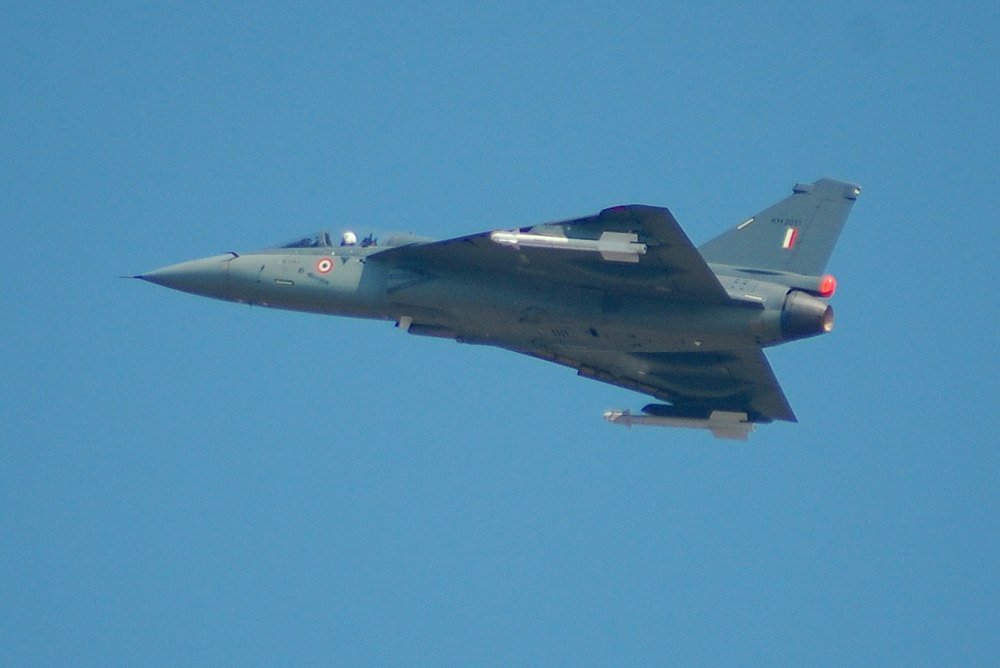
HAL Tejas
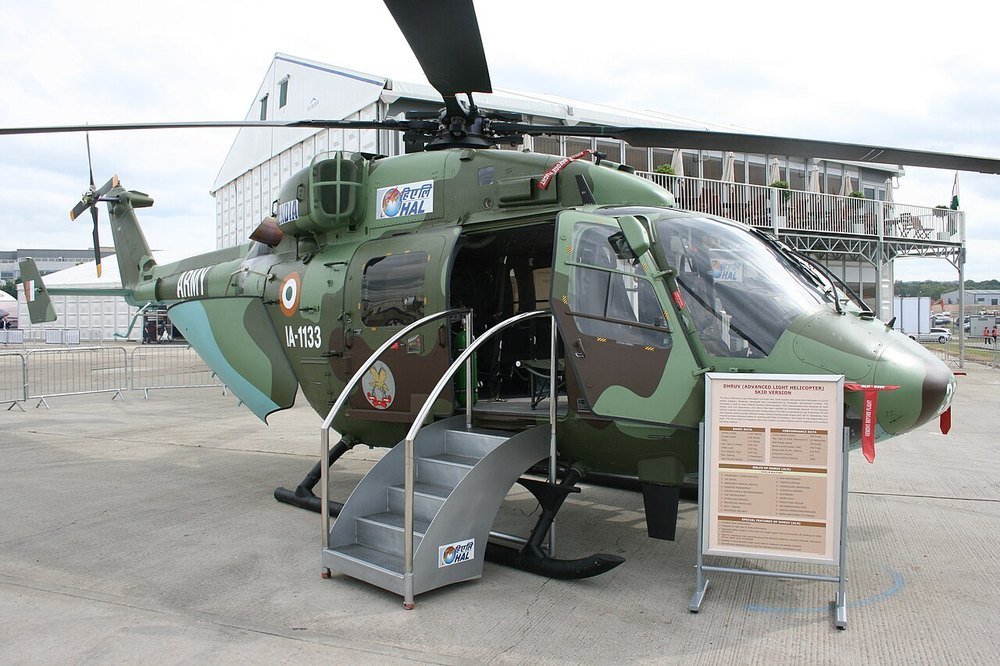
HAL Dhruv
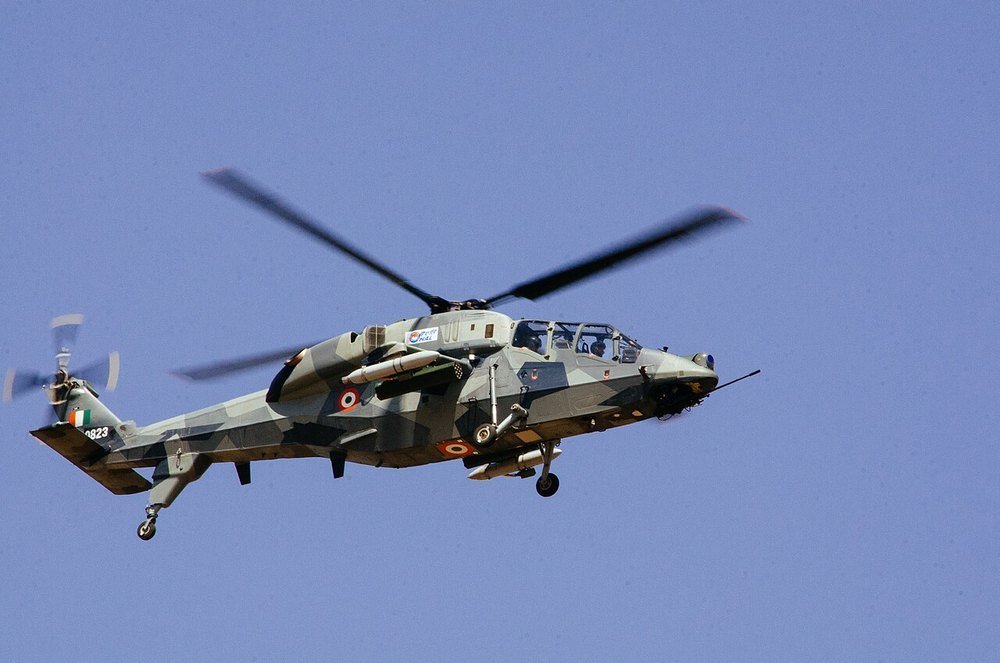
HAL Prachand
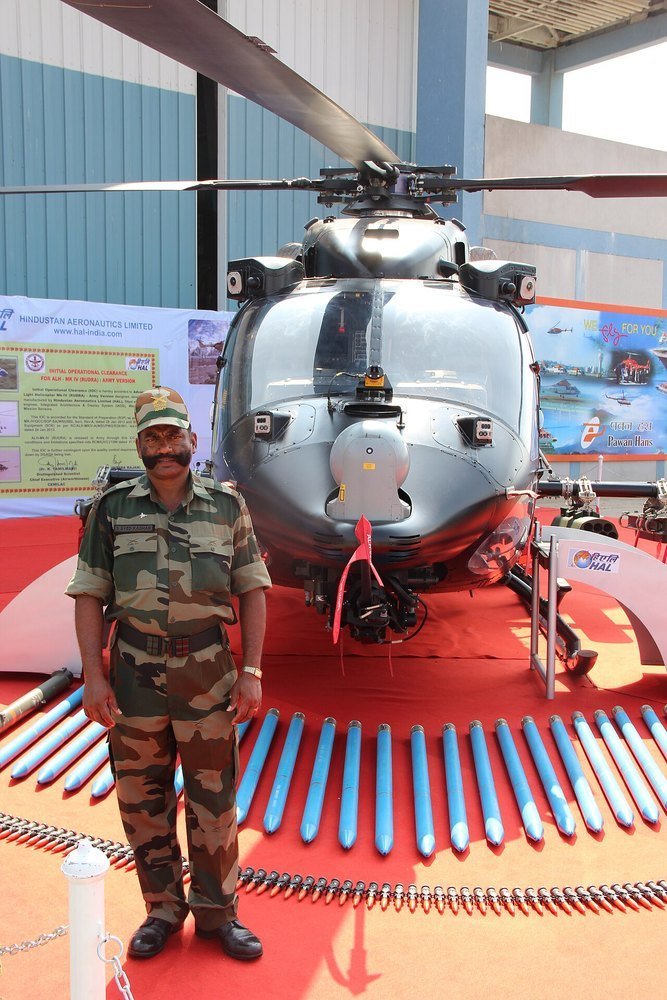
HAL Rudra
Our Clients
Certifications & Partnerships
Recent News & Announcements
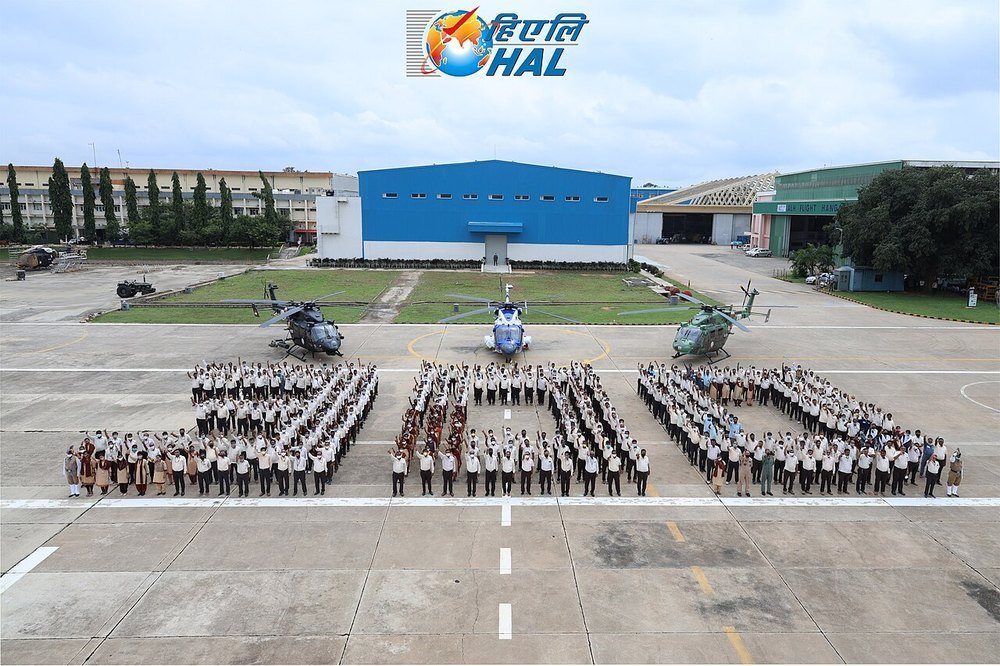
ISRO transfers the complete Small Satellite Launch Vehicle technology to HAL for ₹511 crore — a first for a single company (June 2025)
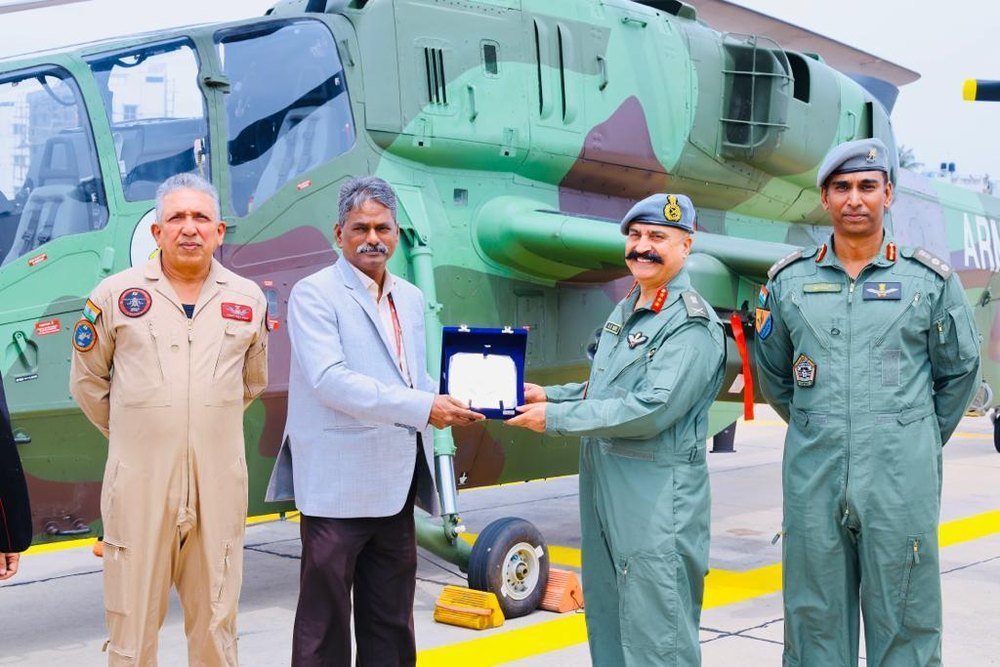
HAL granted Maharatna status by the Government of India, giving it the widest operational and financial autonomy available to a PSU (October 2024)
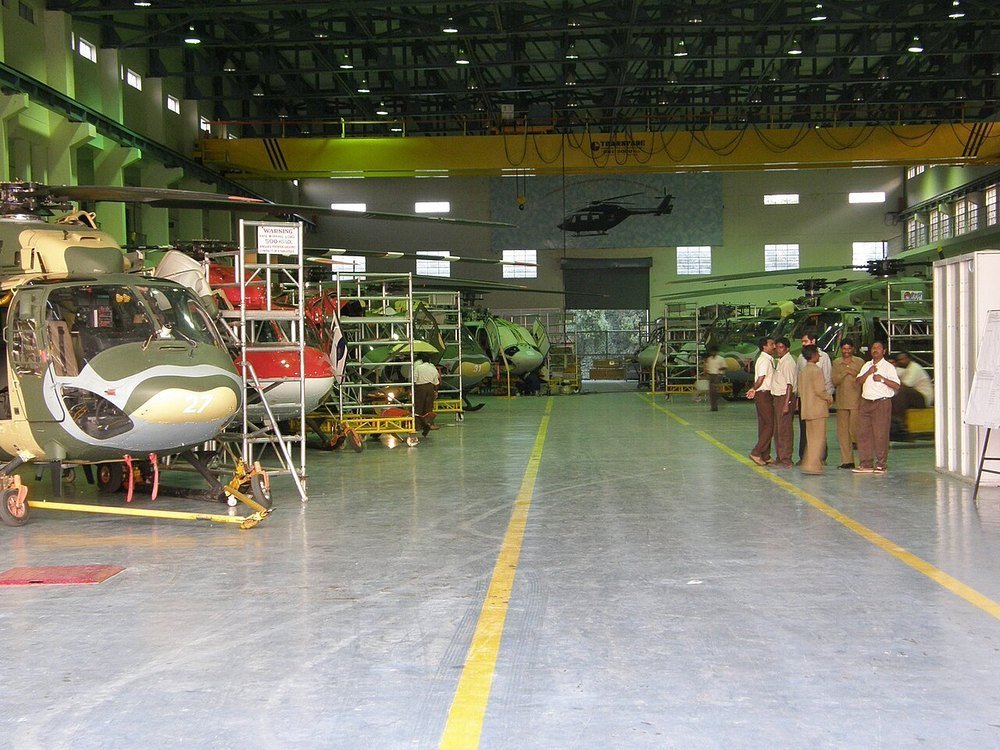
New design and testing facility opened at HAL's Aero Engine Research and Development Centre, Bengaluru


Latest Articles

Alana Evans Net Worth in 2026 – Income Sources, Career & Earnings

Amy Lee Net Worth 2026: Income Sources, Evanescence Career & Personal Life

Abz Love Net Worth 2026: Five Star’s Career, TV Comeback & Income Breakdown