Founders, CEOs, and entrepreneurs.
Business Owner
·
Automotive
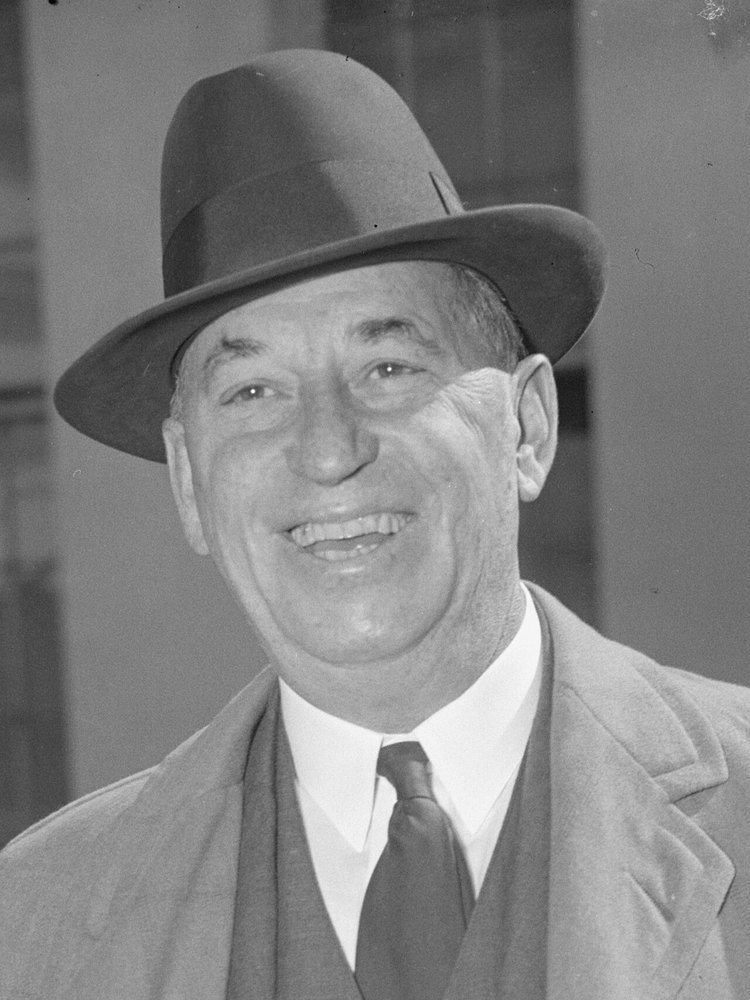
Walter Chrysler began as a Kansas railroad machinist, earned a mechanical degree by correspondence and became the founder and namesake of Chrysler.
📍 Auburn Hills
Business Owner
·
Food & Beverage
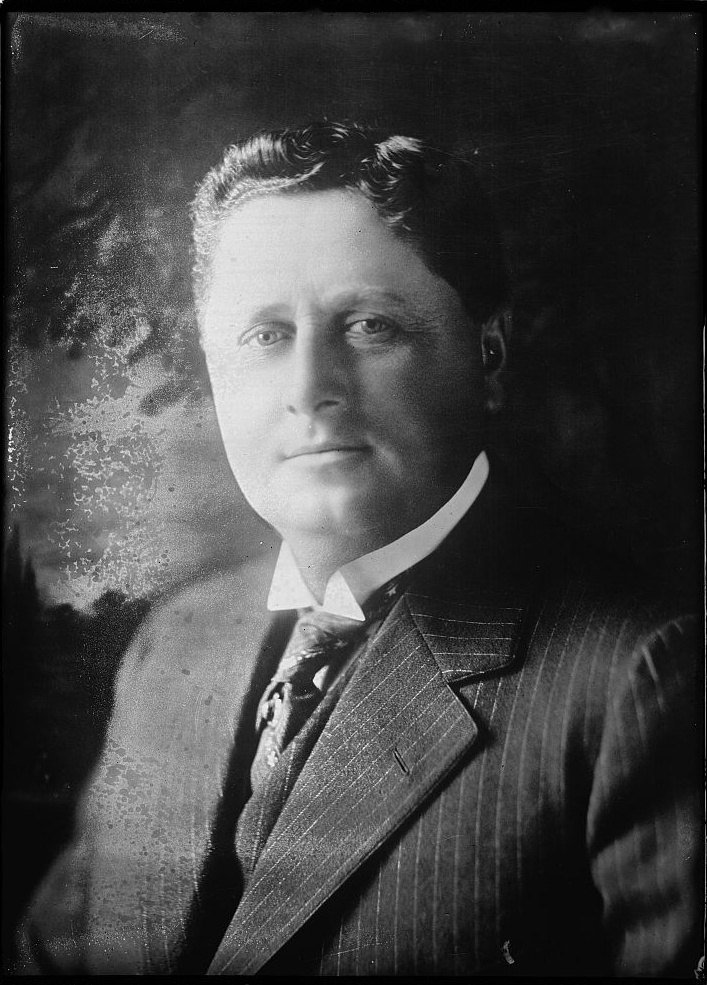
William Wrigley Jr. arrived in Chicago in 1891 with $32, sold soap and baking powder, and found his fortune when the free chewing gum premium outsold everything else.
📍 Chicago
Business Owner
·
Consumer Goods
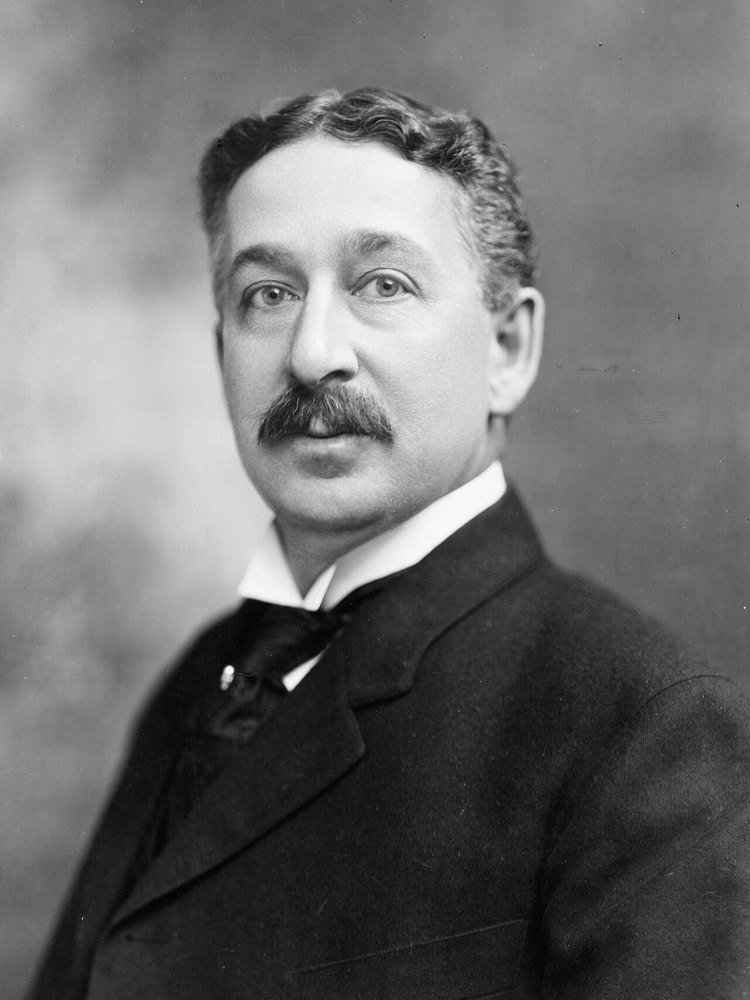
King Gillette took his friend William Painter's advice to invent something disposable and created the thin, inexpensive stamped-steel razor blade that founded Gillette.
📍 Boston
Business Owner
·
Consumer Goods
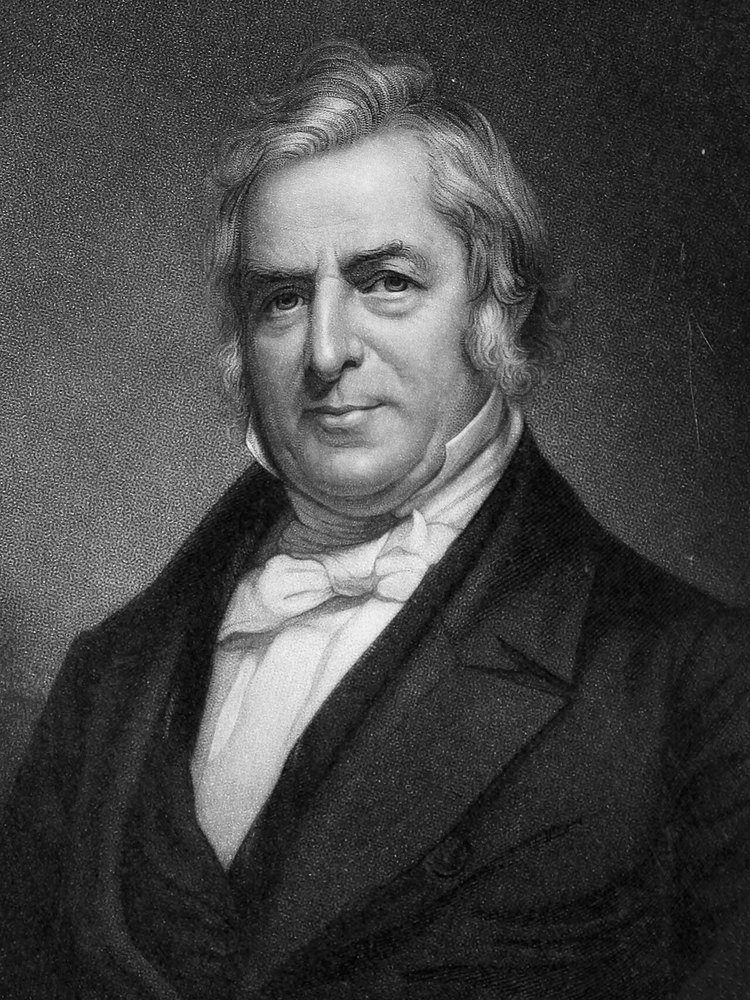
William Colgate apprenticed with a New York soap-boiler, then in 1806 set up a starch, soap and candle business on Dutch Street that became Colgate-Palmolive.
📍 New York City
Business Owner
·
Food & Beverage
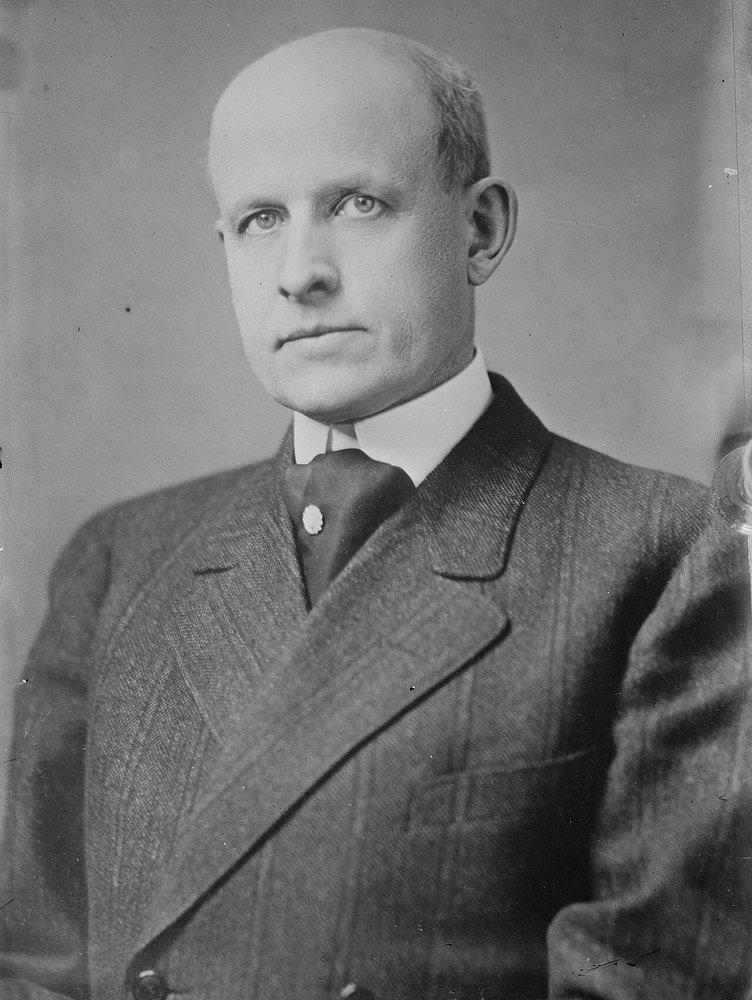
C. W. Post, a former Springfield, Illinois farm-machinery inventor with a plow, harrow and hay-stacker patent, founded the company that became Post Consumer Brands.
📍 Battle Creek
Business Owner
·
Food & Beverage
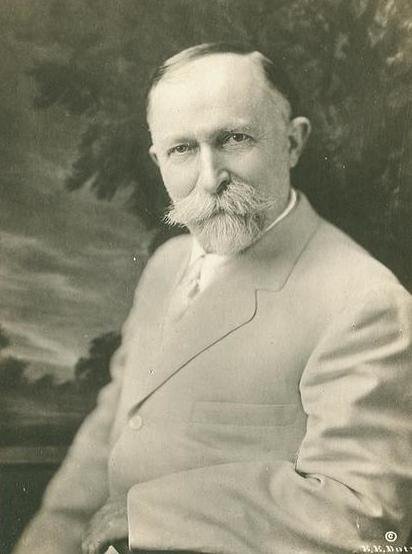
John Harvey Kellogg ran the Battle Creek Sanitarium and developed Granose and cornflakes as breakfast foods, though he also co-founded the eugenics-promoting Race Betterment Foundation.
📍 Battle Creek
Business Owner
·
Retail & E-commerce
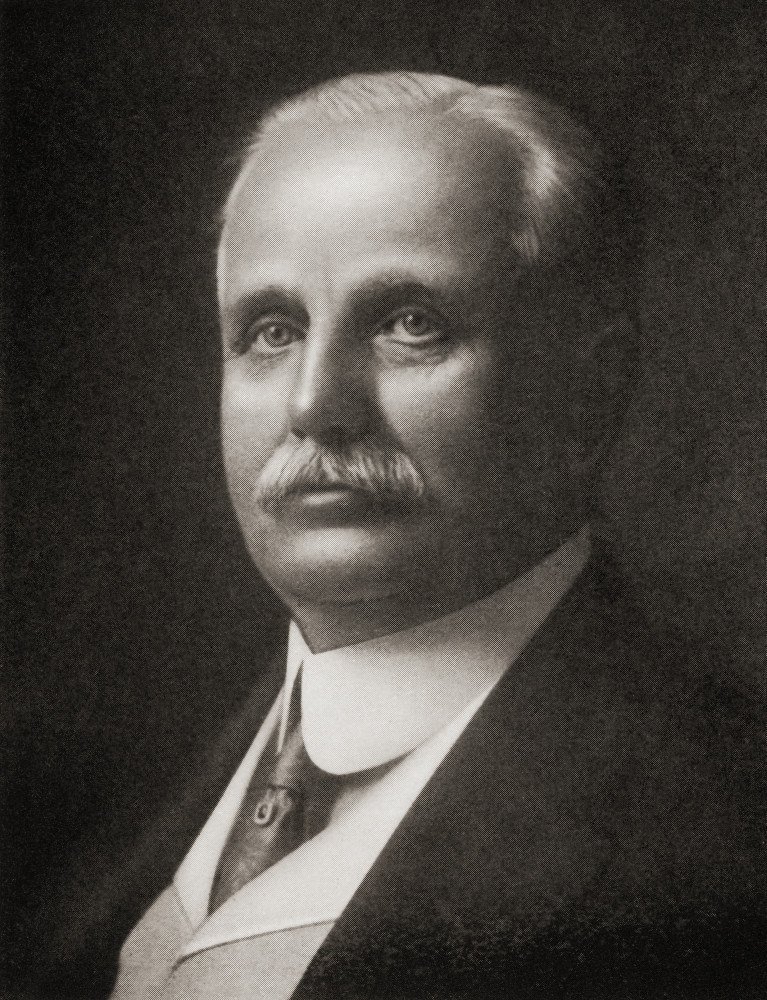
F. W. Woolworth pioneered fixed prices, direct buying from manufacturers and self-service display cases with his Five-and-Dime variety stores.
📍 New York City
Business Owner
·
Consumer Goods
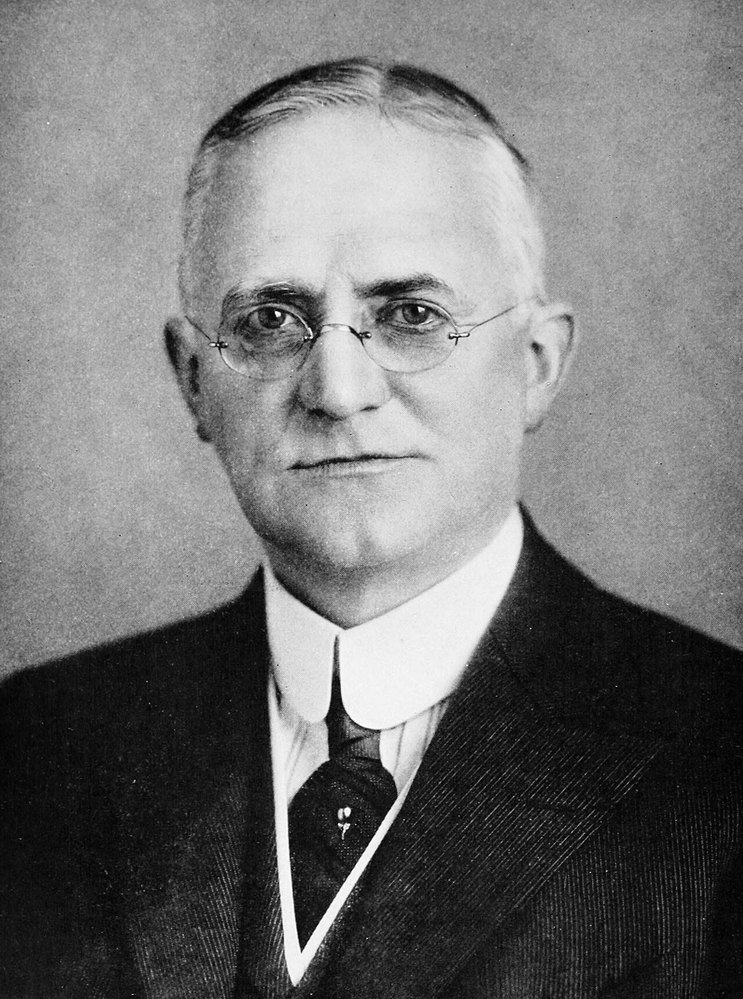
George Eastman patented a roll film camera that made amateur photography accessible to the public, founded Kodak and gave heavily to Rochester, MIT and Tuskegee.
📍 Rochester
Business Owner
·
Food & Beverage
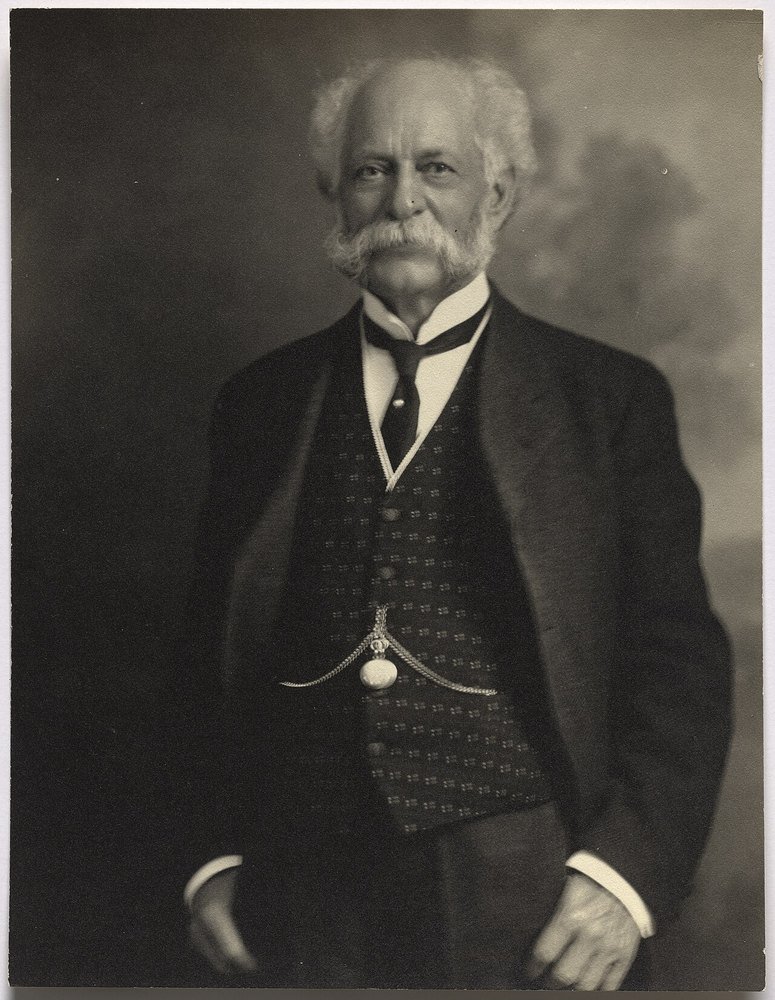
Henry J. Heinz co-founded the Pittsburgh food company that bears his name and helped secure passage of the 1906 Pure Food and Drug Act.
📍 Pittsburgh
Business Owner
·
Industrial Conglomerates
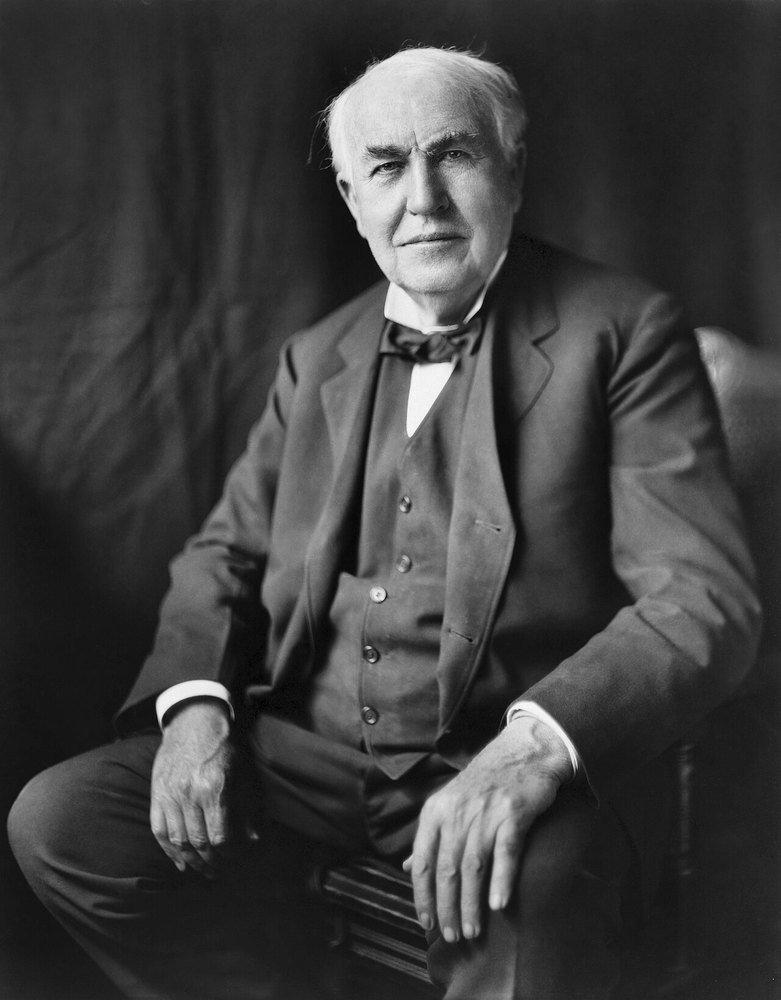
Thomas Edison registered 1,093 US patents, built Menlo Park, the first industrial research laboratory, and his Edison General Electric merged into General Electric.
📍 West Orange
Business Owner
·
Steel & Manufacturing
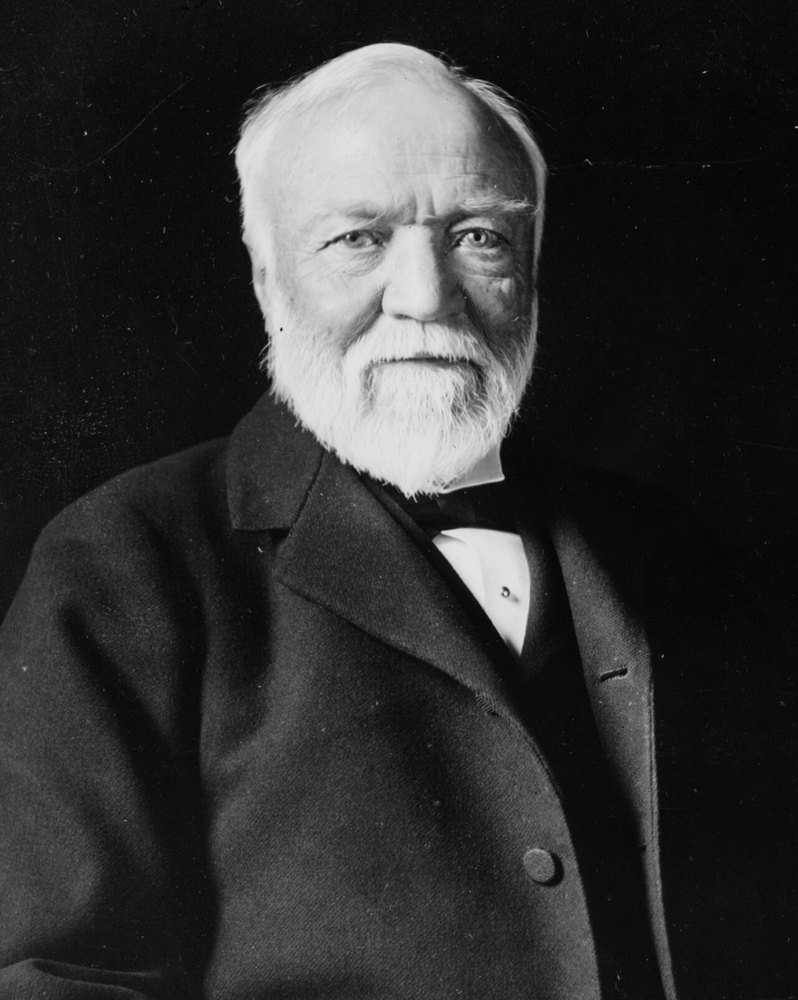
Andrew Carnegie arrived in Pittsburgh at 12, worked in a cotton mill, built Carnegie Steel and sold it to J.P. Morgan for $303 million in 1901, then gave away almost 90 percent of his fortune.
📍 Pittsburgh
Business Owner
·
Transportation & Mobility
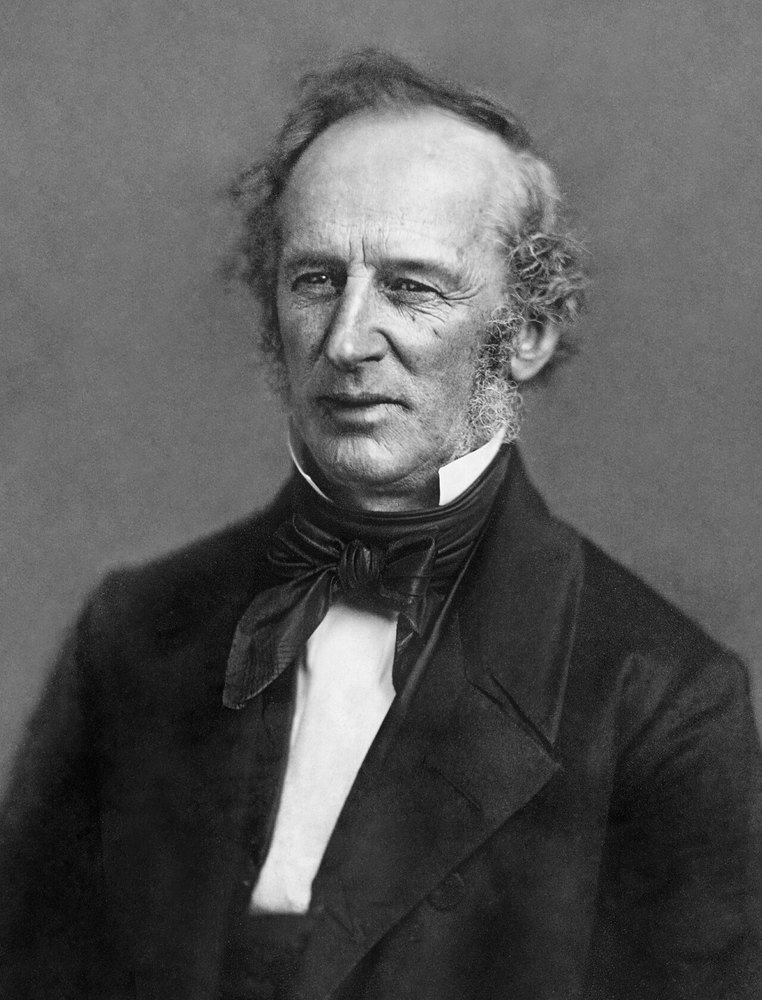
Cornelius Vanderbilt quit school at 11, started his own ferry at 16 with $100 borrowed from his mother, and built shipping and railroad monopolies that made him one of the richest Americans in history.
📍 New York City