Business Owner
·
Information Technology
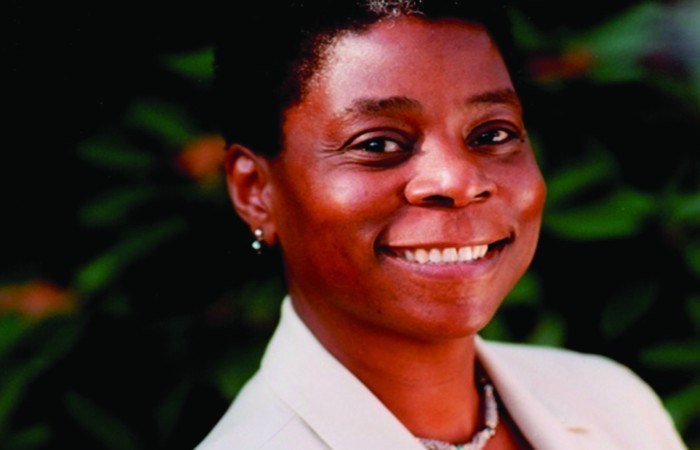
Ursula Burns grew up in a New York housing project and became the first Black woman to lead a Fortune 500 company when she took over Xerox in 2009.
📍 Norwalk
Business Owner
·
Information Technology
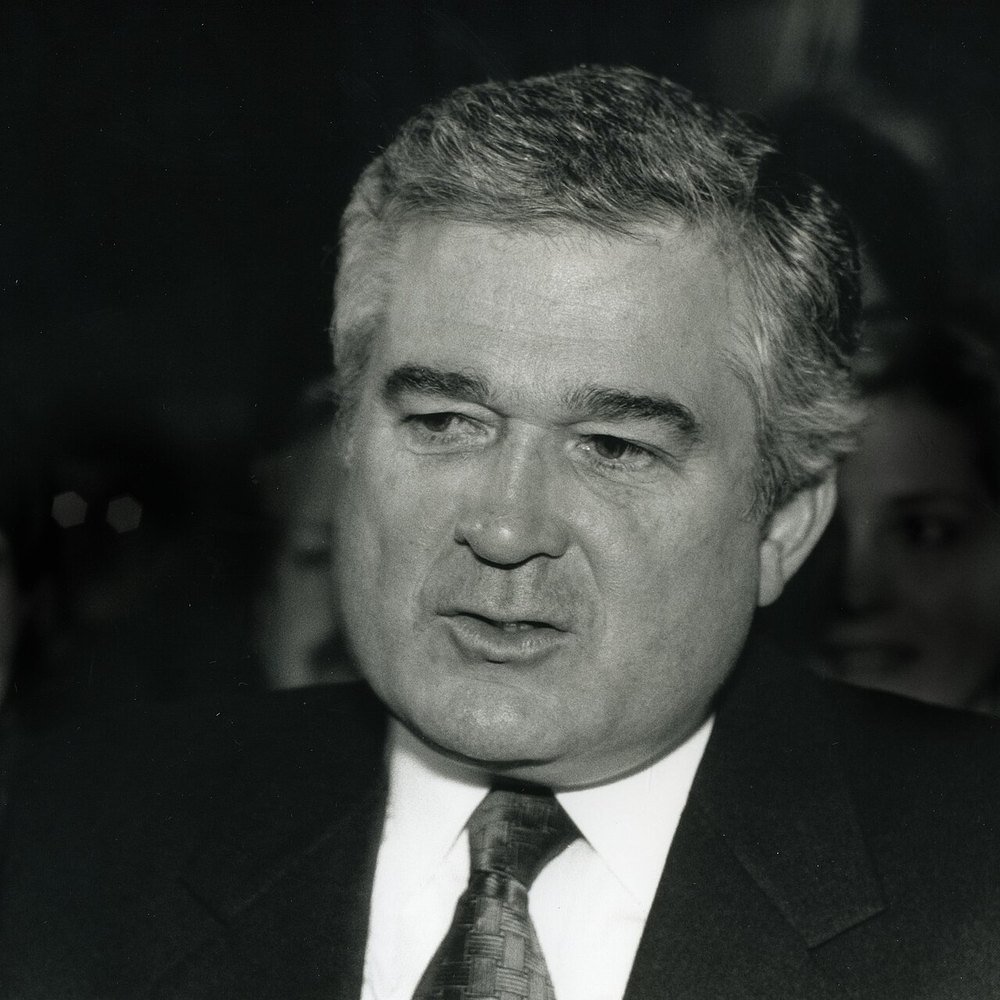
Lou Gerstner ran IBM from 1993 to 2002, is largely credited with its turnaround, and wrote Who Says Elephants Can't Dance? about the transformation.
📍 Armonk
Business Owner
·
Information Technology
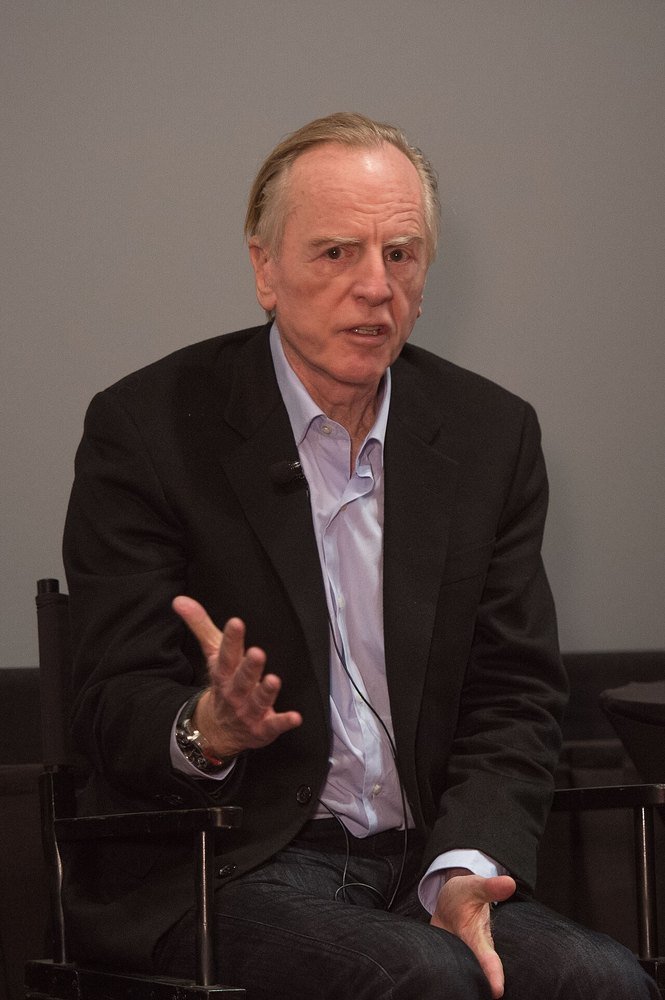
John Sculley left the PepsiCo presidency in 1983 to become Apple's CEO, growing sales from $800 million to $8 billion before his 1993 departure.
📍 Cupertino
Business Owner
·
Information Technology
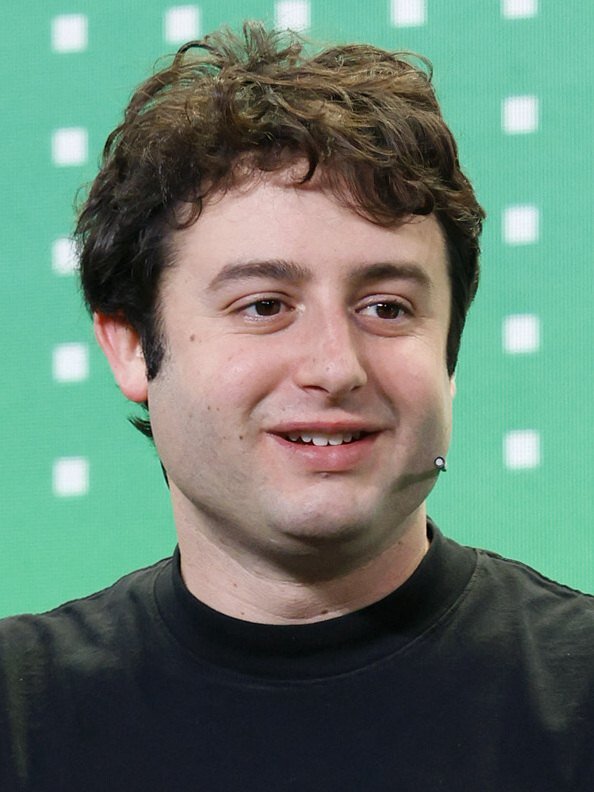
Dylan Field left Brown University on a $100,000 Thiel Fellowship to co-found Figma with Evan Wallace, releasing the web-based design tool in 2016.
📍 San Francisco

Business Owner
·
Information Technology
Aaron Patzer founded Mint.com, sold to Intuit in 2009, then Fountain.com, sold to Porch.com in 2015, and the health app Vital.
📍 San Francisco

Business Owner
·
Information Technology
David Packard co-founded Hewlett-Packard with Bill Hewlett in 1939, led it as president, CEO and chairman, and served as US Deputy Secretary of Defense from 1969 to 1971.
📍 Palo Alto
Business Owner
·
Information Technology
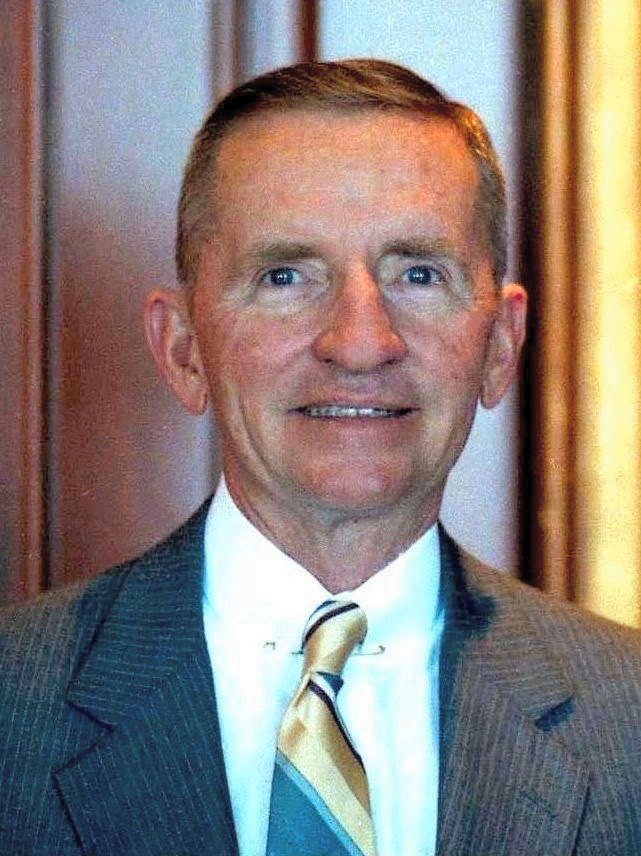
Ross Perot left IBM to found Electronic Data Systems in 1962, sold a controlling stake to GM for $2.4 billion in 1984 and ran independent campaigns for president in 1992 and 1996.
📍 Plano

Business Owner
·
Information Technology
Paul Allen co-founded Microsoft with Bill Gates, later founded Vulcan Inc. and owned the Seattle Seahawks and Portland Trail Blazers.
📍 Seattle
Business Owner
·
Information Technology
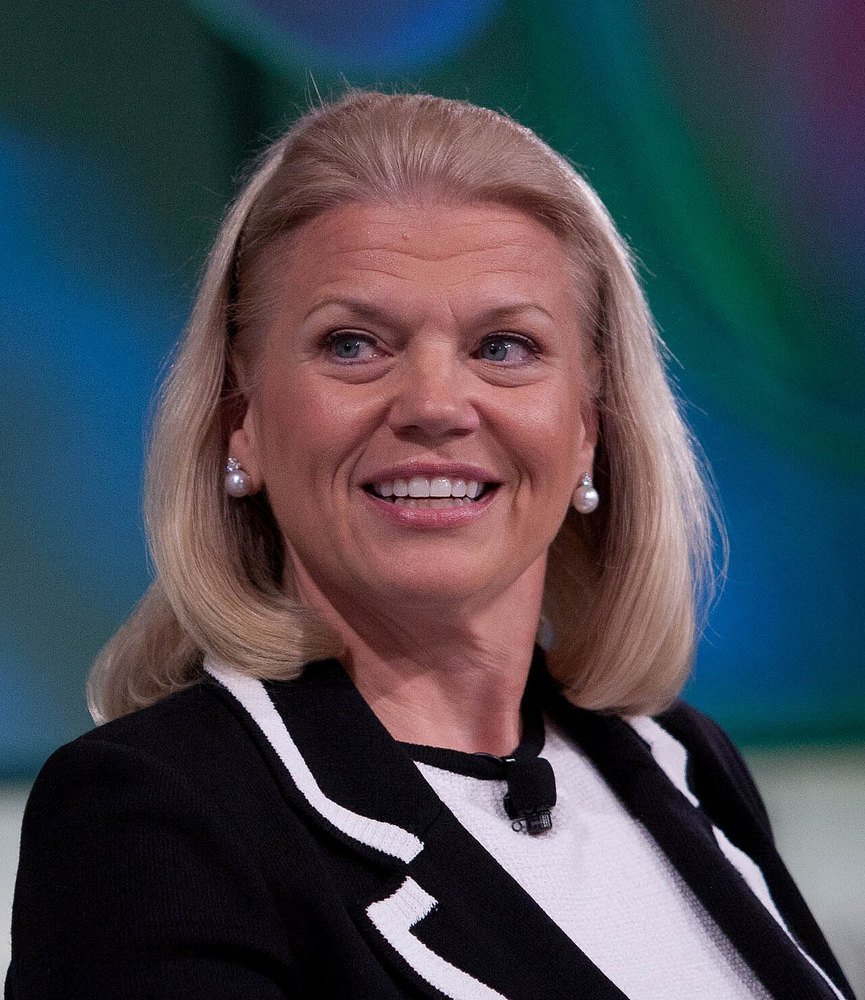
Ginni Rometty joined IBM as a systems engineer in 1981 and became its first female CEO in 2012, steering the company toward analytics, cloud and cognitive computing.
📍 Armonk
Business Owner
·
Information Technology
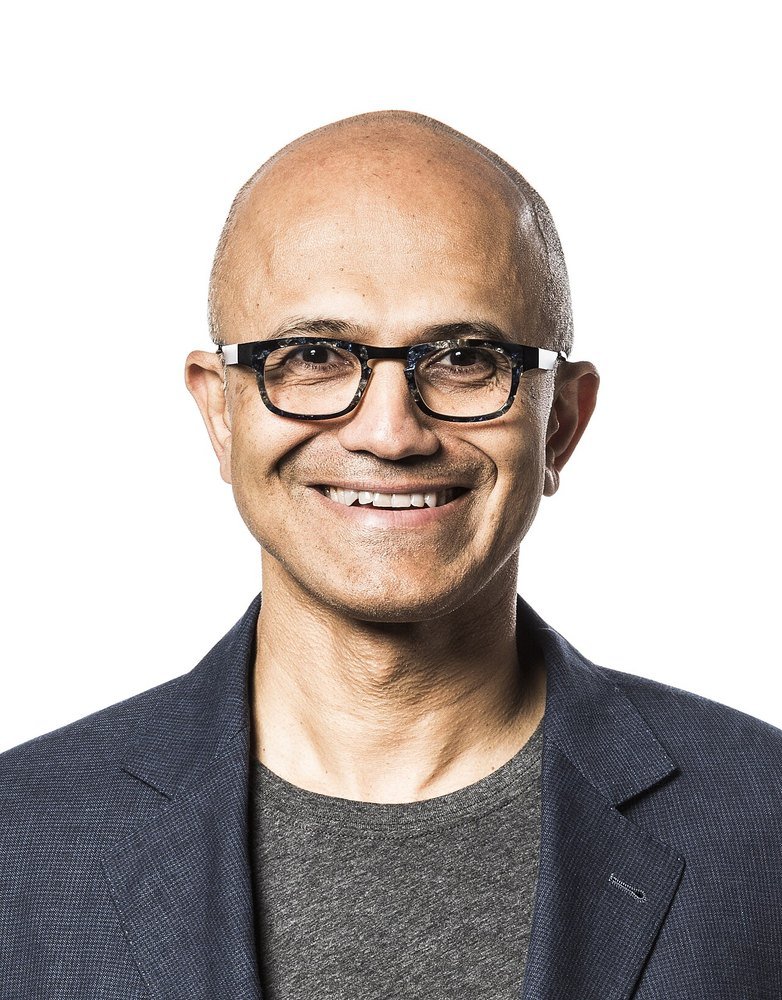
Satya Nadella joined Microsoft in 1992, led its shift to cloud computing and succeeded Steve Ballmer as CEO in 2014 and John Thompson as chairman in 2021.
📍 Redmond

Business Owner
·
Information Technology
Aaron Levie turned a 2004 USC class project on cloud storage into Box, dropping out in 2005 to launch it as box.net.
📍 Redwood City
Business Owner
·
Information Technology
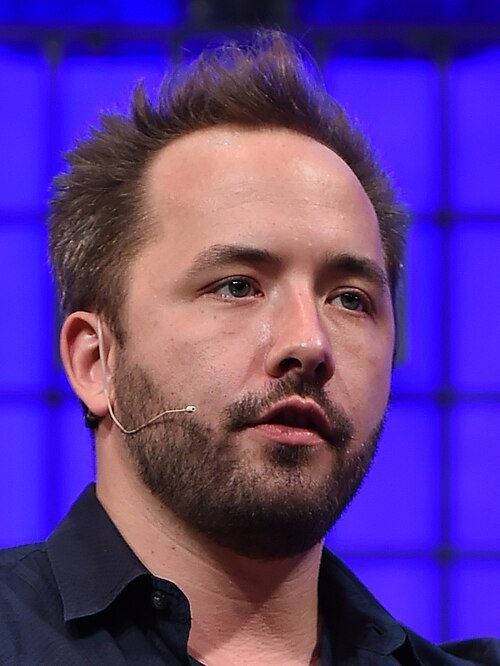
Drew Houston co-founded Dropbox in 2007 with MIT classmate Arash Ferdowsi, took it public in 2018 and sits on the board of Meta Platforms.
📍 Austin