Company
·
Artificial Intelligence
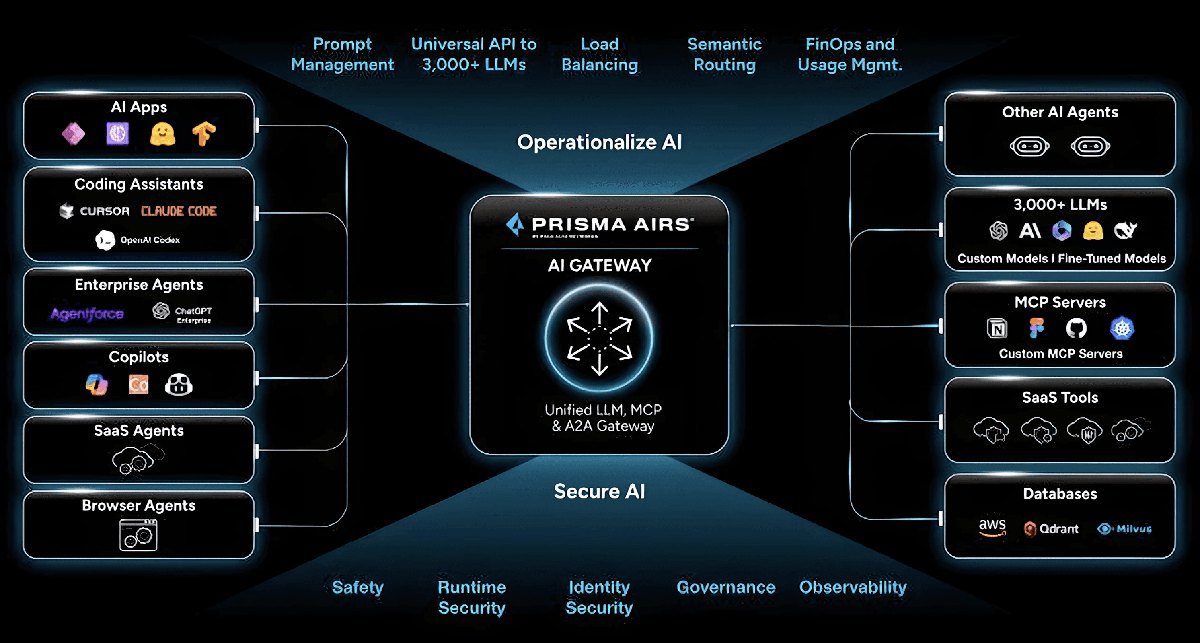
Two engineers in Bengaluru got tired of rebuilding the same plumbing for every AI app, so they built it once and sold it to everyone. Three years and $18 million later, Palo Alto Networks bought the company.
📍 Bengaluru
Company
·
Space Technology
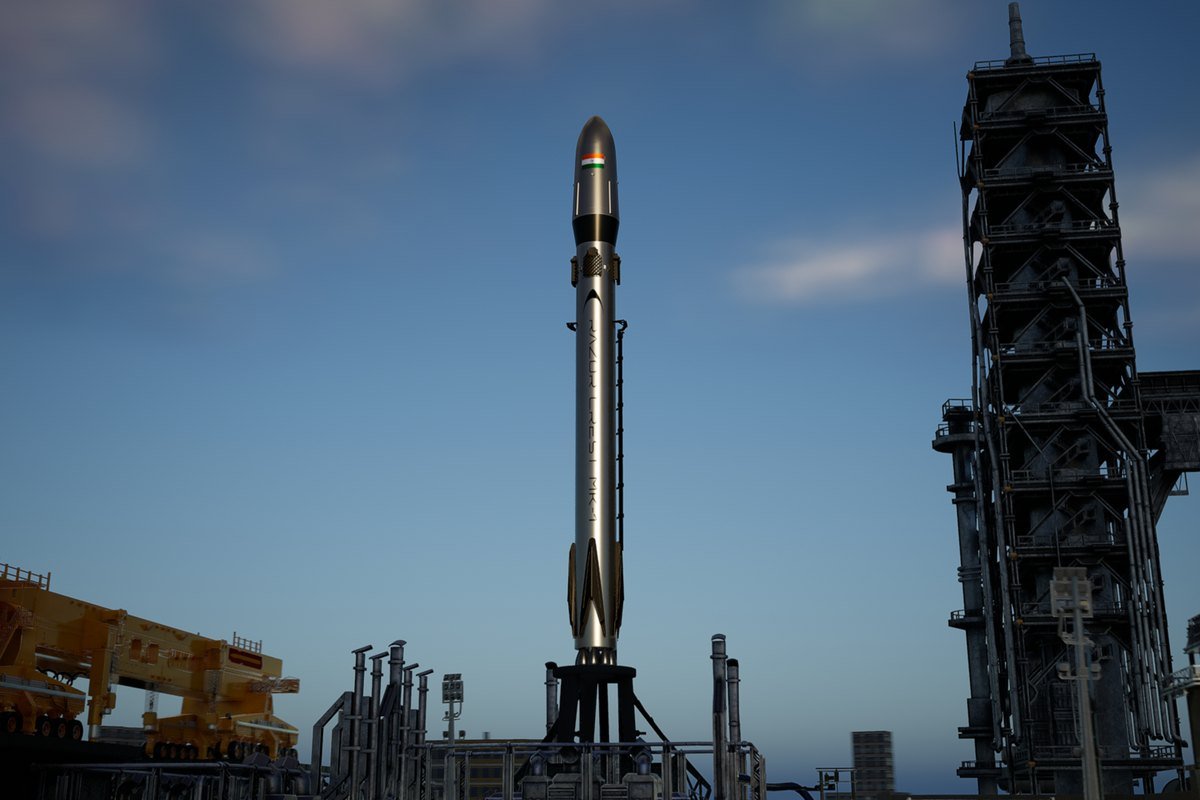
A four-year-old Bengaluru startup trying to do the hardest thing in spaceflight: build a fully reusable medium-lift rocket. $20.5 million raised, two engines of its own design, and a demonstration flight targeted for late 2027.
📍 Bengaluru
Company
·
Aerospace & Defence
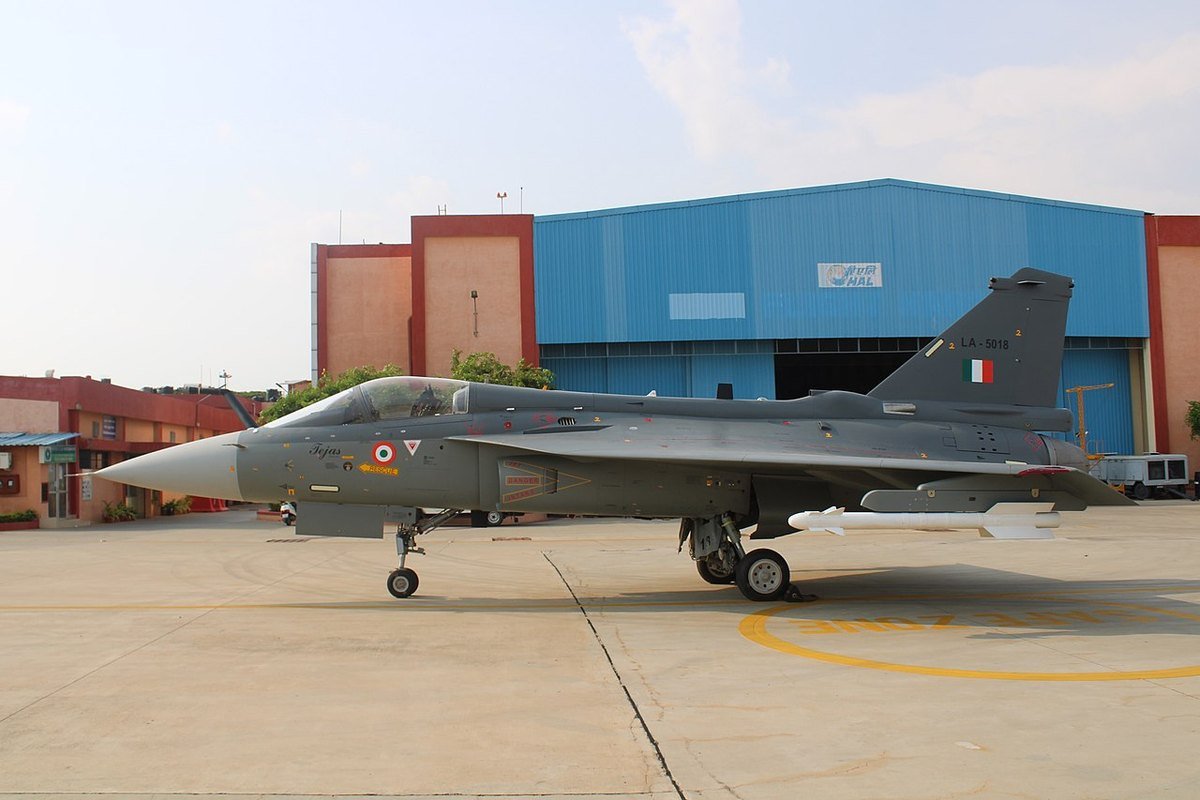
Founded in 1940 to assemble aeroplanes under licence, HAL now designs India's fighter jets and helicopters — Tejas, Dhruv, Prachand — from 21 manufacturing divisions and 11 R&D centres, with an order book of roughly ₹2.54 lakh crore.
📍 Bengaluru
Business Owner
·
Information Technology
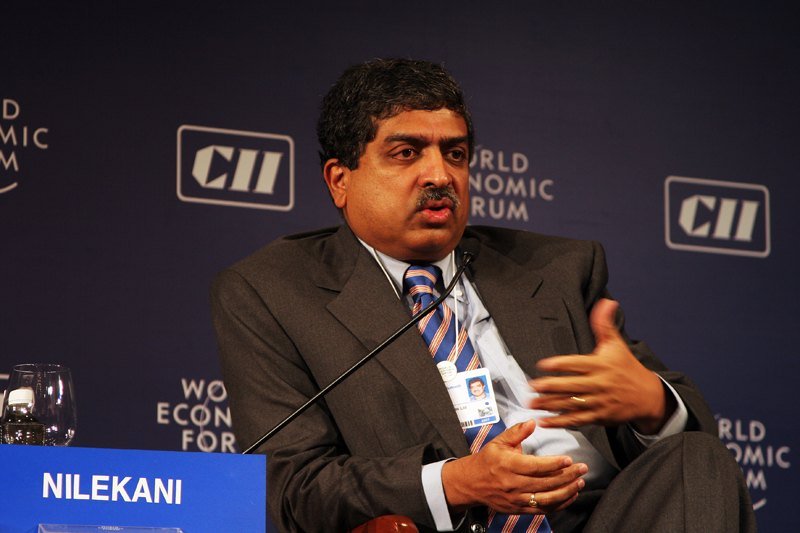
He co-founded Infosys in 1981, ran it as CEO while revenue grew sixfold, then left in 2009 to build an identity system for a billion people. In 2026 the government asked him to fix India's exams.
📍 Bengaluru
Business Owner
·
Financial Services
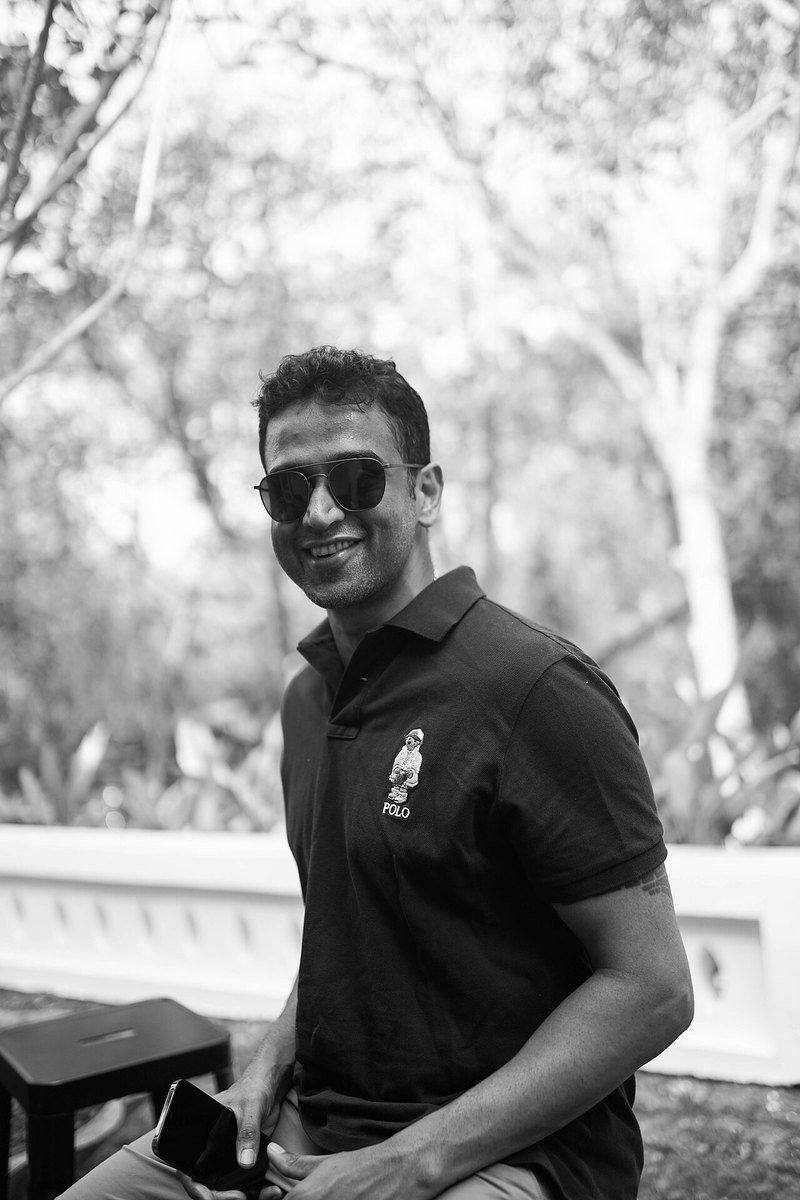
For three years he traded shares by day and worked night shifts at a call centre to fund it. The brokerage he later built with his brother took no outside money at all — and now does ₹8,847 crore a year, wholly owned by the family.
📍 Bengaluru
Business Owner
·
Financial Services
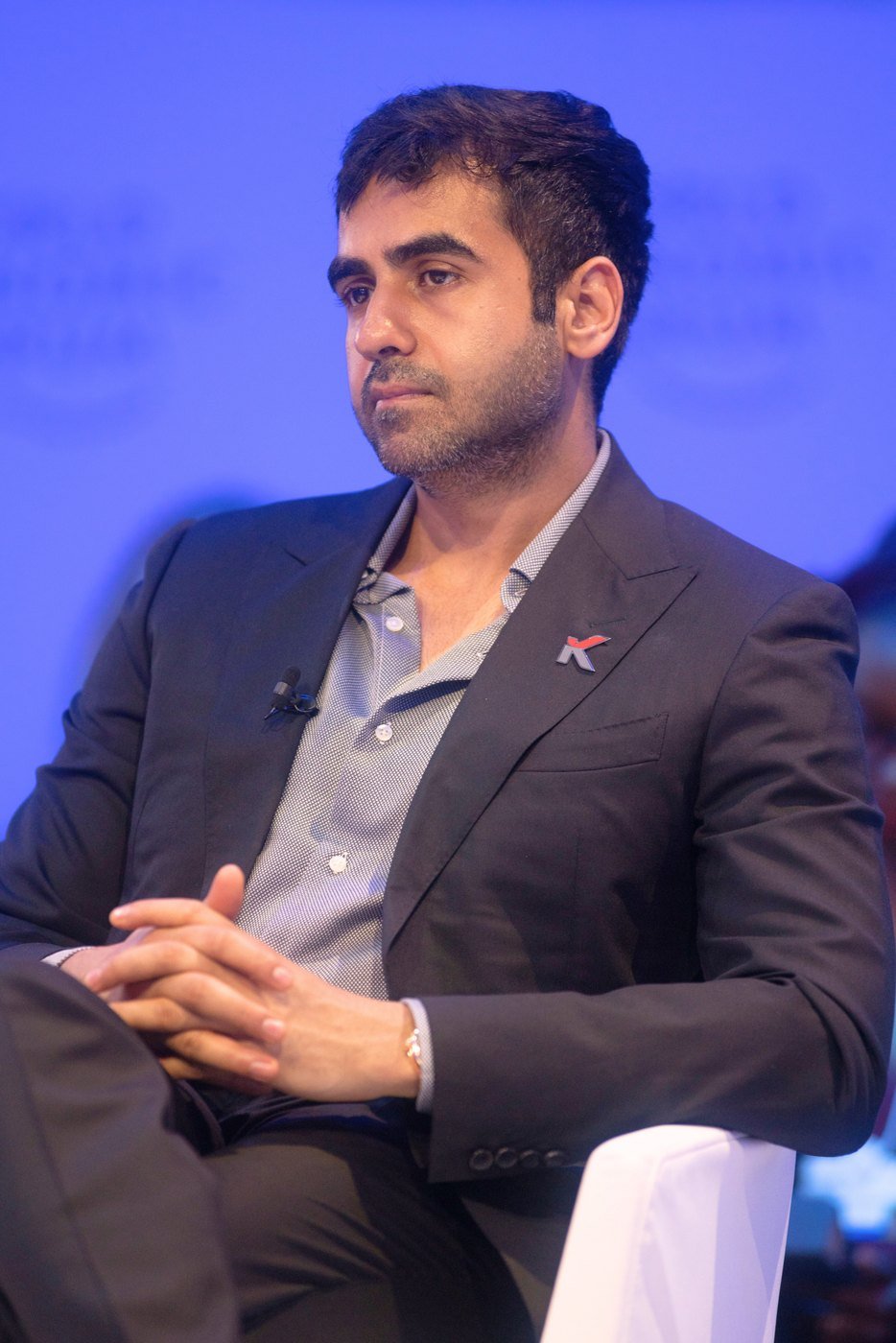
He started in a call centre, trading equities on the side. Twenty years on he co-owns Zerodha, runs an asset manager and a venture fund, hosts a podcast that has had Modi, Bill Gates and Elon Musk on it — and has pledged away half his wealth.
📍 Bengaluru
Business Owner
·
Biotechnology
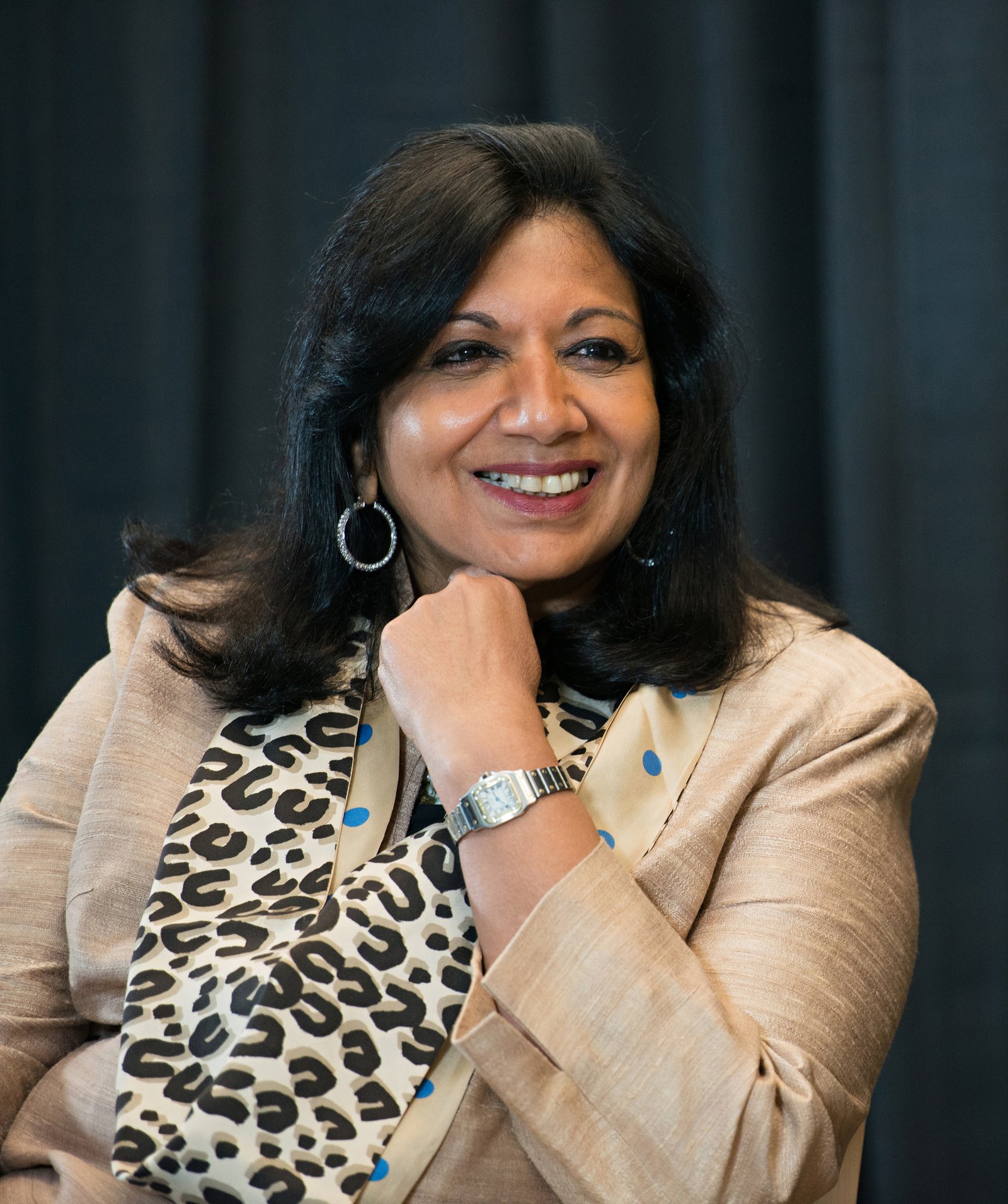
Founder and Executive Chairperson of Biocon — India's first biotech company, started in a Bengaluru garage in 1978 and now a multi-billion-dollar global biopharmaceutical group. India's only self-made woman billionaire.
📍 Bengaluru